I make Minecraft infrastructure.
I design, build and ship server software, security systems, games and experimental AI products. Founder of ArkFlame Studios.

$ whoami
linsaftw — founder, developer, operator
$ ls ~/work
arkflame  flamecord  exploitfixer  veloflame  fairplay  ffaa  ark-ai  faus
$ cat ~/stack
java · paper · folia · bungeecord · velocity · packets · concurrency · typescript · linux
$ uptime
coding since 2010 · building for production systems
Minecraft plugins
Top LinsaFTW pluginsView all →
ExploitFixer
Packet, crash, dupe and abuse protection for Bukkit, Spigot, Paper and Folia servers.
exploitfixer.org →
FlameCord
Security-focused BungeeCord/Waterfall-compatible proxy infrastructure with integrated anti-bot and network protection.
flamecord.com →
VeloFlame
Velocity and Velocity-CTD fork focused on performance, anti-bot and native Limbo verification.
veloflame.com →
FairPlay
Combat-focused Minecraft anticheat combining deterministic checks, packet-level analysis, integrations, mitigation systems and machine-learning workflows.
builtbybit.com →ArkFlame Studios
Minecraft infrastructure, security, performance, networking and gameplay products.
How I work
Lead → DeliverVideo games
Multiplayer · Co-op · SurvivalView all →FFAA Zombies
Multiplayer zombie survival built around large enemy counts, weapons, classes, custom maps, local co-op and online play.
ffaa.arkflame.com →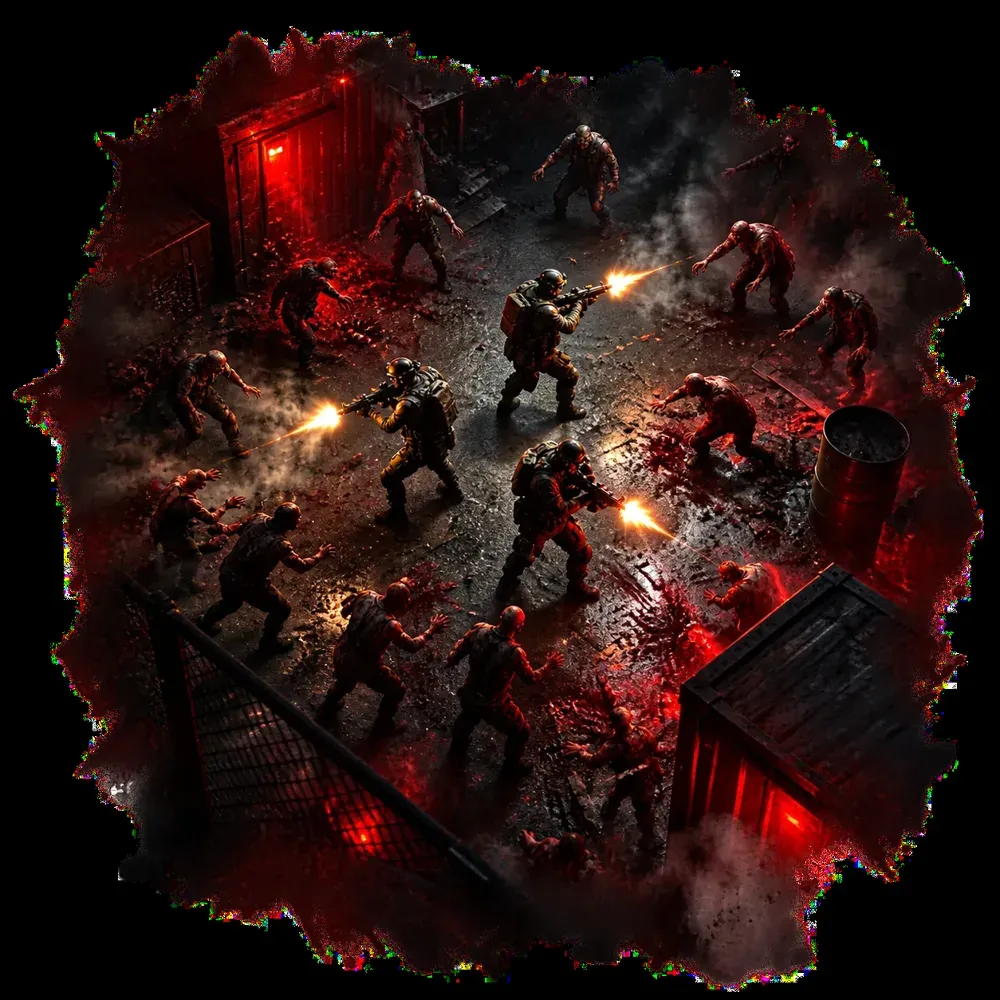
AI systems
Providers · Detection · ResearchView all →
ARK AI
AI provider and experimentation platform for model access and developer workflows.
ai.arkflame.com →FAUS Legal
AI-assisted legal research and case organization for Argentine legal work.
FAUS Legal is a research and organization aid. It does not replace a licensed lawyer and is not legal advice.
faus.arkflame.com →Experiments
Built to find out if they should existView all →Both of these are unpublished local experiments. There is no public build and no public link yet.